Mix, Match, Repeat: Building Outfits with Fewer Pieces
Have you ever stood in front of a full closet and still felt like you had “nothing to wear”? You’re not alone.
The secret isn’t buying more clothes. It’s learning how to mix, match, and repeat the right pieces. When done correctly, a small wardrobe can create dozens of stylish outfits.
In this guide, you’ll learn how to build outfits with fewer pieces—perfect for beginners, online shoppers, and even small business owners or dropshippers looking to curate smart collections.
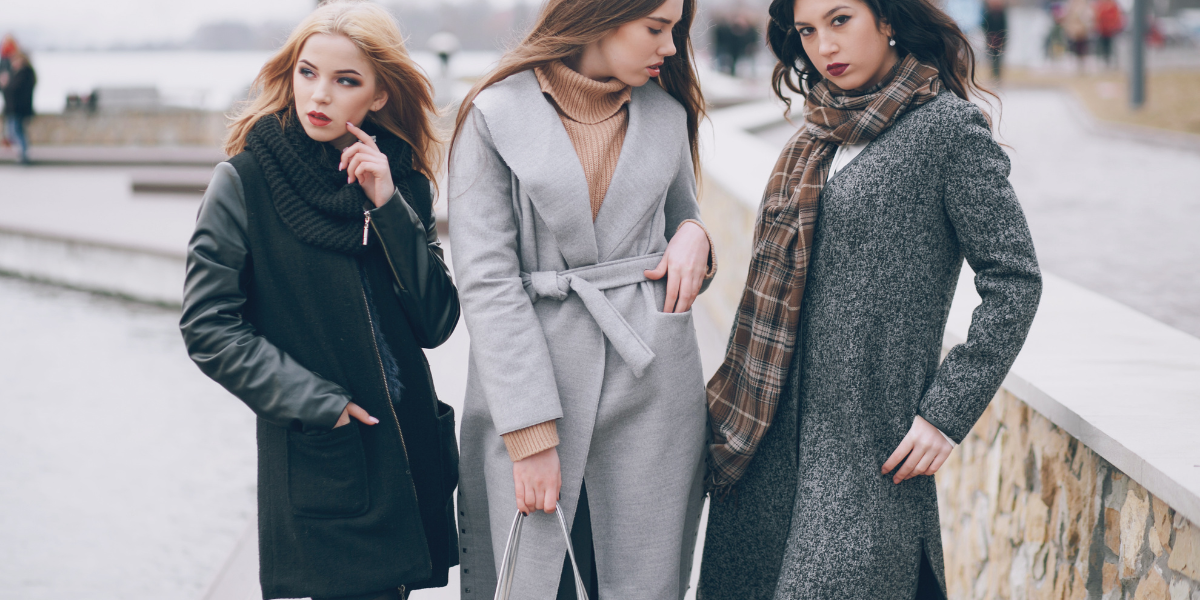
Why “Mix, Match, Repeat” Works
The concept is simple: choose versatile pieces that work together effortlessly.
Instead of buying random trendy items, you invest in:
Neutral basics
Multi-purpose layers
Coordinated colors
Timeless silhouettes
This approach saves:
✅ Money
✅ Time
✅ Closet space
✅ Decision fatigue
And the best part? You always look put together.
Step 1: Start with Core Basics (The Foundation)
Every great outfit starts with strong basics.
Must-Have Essentials:
Plain white or black T-shirt
Neutral blouse or shirt
Well-fitted jeans
Classic trousers
Neutral blazer or jacket
Simple sneakers or loafers
For example, one white shirt can be styled:
With jeans for casual outings
With trousers for office wear
Under a blazer for business meetings
👉 Internal linking suggestion: Link your “Basic T-Shirts Collection” or “Classic Denim Collection” product pages here.
Step 2: Choose a Smart Color Palette
A cohesive color palette makes mixing effortless.
Beginner-Friendly Color Formula:
2–3 neutral colors (black, white, beige, grey)
1–2 accent colors (blue, olive, burgundy)
When everything matches your palette, you can combine pieces without overthinking.
Real-life example:
If you own:
Black trousers
Beige trousers
White shirt
Blue shirt
Black blazer
You can create at least 8–10 combinations easily.
Step 3: Focus on Versatile Pieces
When shopping online, ask yourself:
“Can I style this at least 3 different ways?”
If the answer is no, skip it.
High-Impact Versatile Pieces:
Oversized blazer
Midi skirt
Denim jacket
Solid maxi dress
Structured handbag
For small business owners or dropshippers:
Offer items that customers can reuse across seasons. Highlight versatility in your product descriptions to increase conversions.
Step 4: Layering = Multiply Your Outfits
Layering is the easiest way to repeat pieces without looking repetitive.
Example:
One black dress can become:
Casual (with sneakers + denim jacket)
Office-ready (with blazer + heels)
Evening look (with statement jewelry)
That’s 3 outfits from 1 piece.
👉 Internal linking idea: Link to “Statement Accessories” or “Layering Jackets.”
Step 5: Accessorize Smartly
Accessories transform repeated outfits.
Add:
Belts
Scarves
Watches
Statement earrings
Bags in different textures
Even repeating the same outfit with different accessories makes it look fresh.
For online stores: bundle accessories with core outfits to increase average order value.
How Many Pieces Do You Really Need?
For beginners, start with:
5 tops
3 bottoms
2 outer layers
2 shoes
3 accessories
That’s just 15 pieces, yet you can create 20+ outfit combinations.
This is the power of “Mix, Match, Repeat: Building Outfits with Fewer Pieces.”
Mistakes to Avoid
❌ Buying trendy items that don’t match anything
❌ Ignoring fit and fabric quality
❌ Choosing too many colors
❌ Skipping basics
Remember: basics are not boring—they are powerful.